
Beauty Heals: Why Your Nervous System Is Wired for It
We live in a culture that treats beauty like a luxury.
A bonus.
An indulgence.
Something you add after the “important” things are handled.
But your nervous system does not experience beauty as decoration.
It experiences it as safety.
Beauty is not superficial.
It is regulatory.
And if you’ve been feeling burnt out, overstimulated, disconnected, or quietly numb — the absence of beauty in your environment may be part of the story.

Your Nervous System Is Always Scanning
Your body is constantly asking one question:
Am I safe here?
Before thought.
Before logic.
Before productivity.
Your nervous system scans for cues of threat or safety in your environment - light, sound, colour, texture, order, proportion, harmony.
This is not aesthetic preference.
This is biology.
Research in neuroaesthetics shows that humans are wired to respond to symmetry, natural materials, soft lighting, organic shapes, and visual coherence. When we experience environments that feel harmonious, the body down-regulates. Cortisol lowers. Muscles soften. Breathing deepens.
Beauty reduces stress.
Not because it’s “nice.”
Because it signals safety.
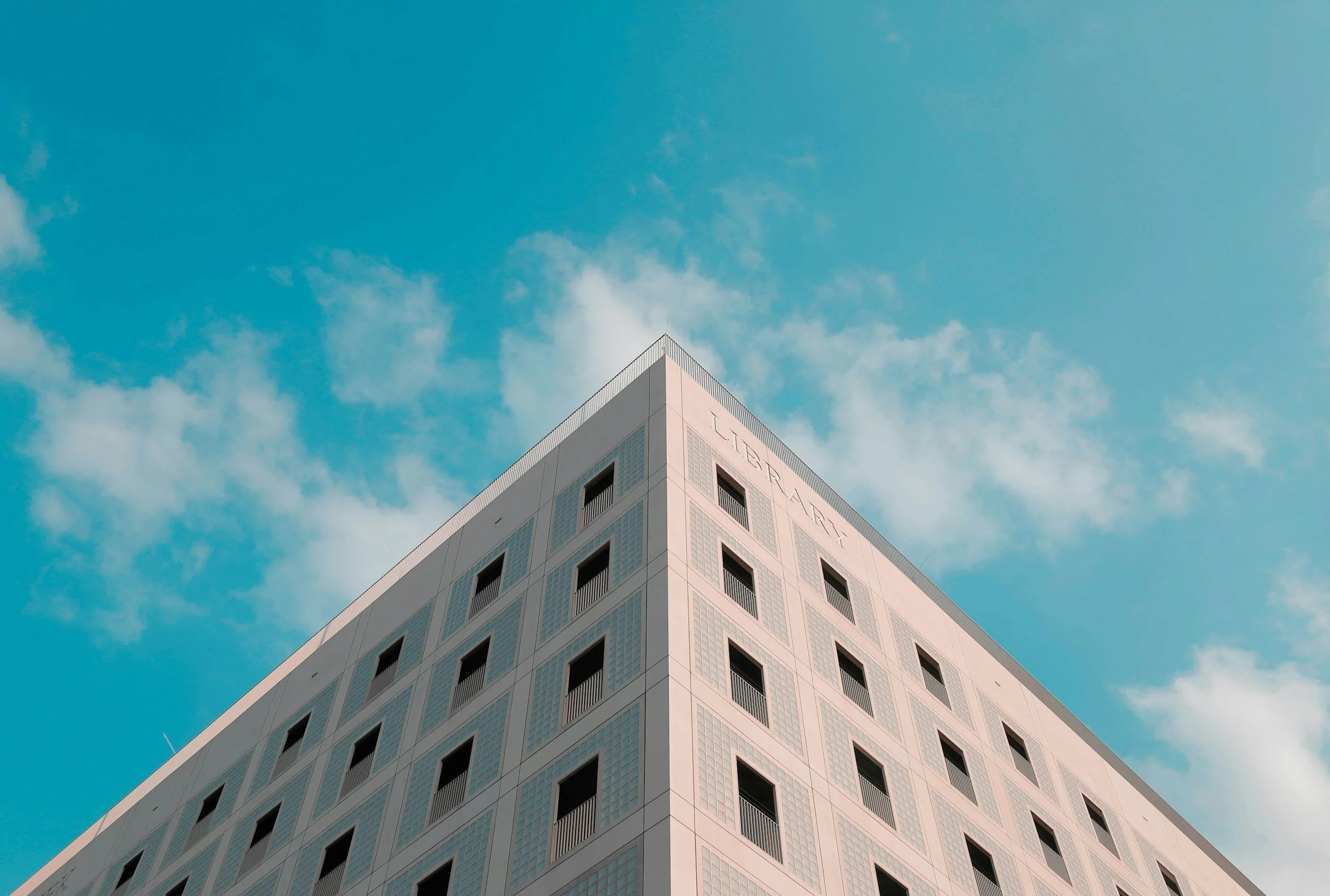
But Not All Beauty Heals
Pinterest-perfect minimalism is not the answer.
Neither is chaotic self-expression with no containment.
Your nervous system doesn’t need trend-driven beauty.
It needs attuned beauty.
Beauty that:
Reduces visual overwhelm
Supports emotional regulation
Feels coherent and grounded
Reflects your story
Connects you to something larger than yourself
When beauty becomes performance, it dysregulates.
When beauty becomes belonging, it heals.
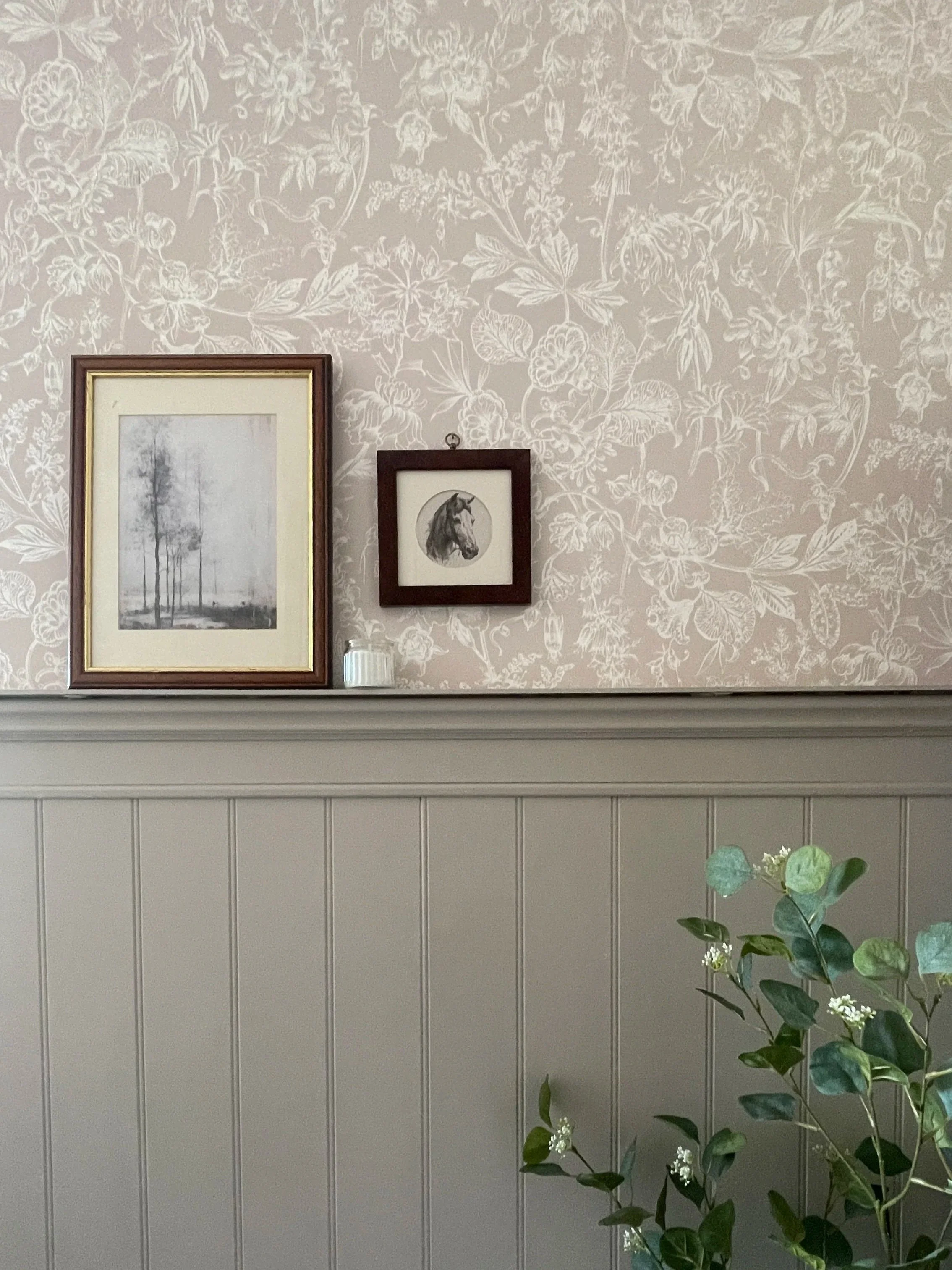
The Balance: Story Without Overstimulation
Minimalism can reduce clutter and cognitive load.
But taken too far, it can strip away identity.
On the other hand, layering every sentimental object into a space can create visual noise and sensory overwhelm.
The healing edge lives in the balance.
A home that allows the body to exhale.
And also whispers, you belong here.
This is where trauma-informed design meets beauty.
It’s not about perfection.
It’s about creating environments that:
Support burnout recovery
Lower baseline stress levels
Reduce overstimulation
Regulate circadian rhythms
Provide grounding sensory cues
Hold personal narrative
Your nervous system relaxes when it recognises itself in the space.

Signs Your Environment Might Be Starved of Healing Beauty
You feel more tense at home than you do outside of it
You can’t relax unless everything is perfectly clean
You avoid certain rooms because they feel overwhelming
You scroll for “home inspiration” but never feel settled
Your space looks good in photos but feels flat or lifeless
You feel disconnected or restless in your own home
You crave hotels, nature, or cafés because they feel better in your body
These are not personality flaws.
They are nervous system responses.

How Beauty Regulates the Body
Here’s what healing beauty actually looks like in practice:
Lighting that supports circadian rhythms instead of harsh overhead glare
Natural textures that create sensory grounding
Visual coherence instead of competing focal points
Soft transitions between rooms
Negative space that allows the eyes to rest
Meaningful objects displayed intentionally (not everywhere)
Colour palettes that calm rather than stimulate
Small changes matter more than dramatic overhauls.
Because regulation is built through consistency, not shock.
Beauty Is Not Extra
We have been taught that beauty is indulgent.
But beauty is medicine for a dysregulated culture.
In a world of constant digital stimulation, urgency, noise and visual chaos - your nervous system is starved for environments that feel coherent, rhythmic, and safe.
Beauty heals because it restores order.
Beauty heals because it reconnects us to meaning.
Beauty heals because it allows the body to soften.
And when the body softens, healing becomes possible.