
My Home Was Beautiful - But My Nervous System Wasn’t Feeling it…
I have always prioritised having a beautiful home.
That’s never been the problem.
As an interior designer, creating calm, intentional spaces has been second nature to me for years.
My home has always been thoughtful, styled, organised - somewhere people walked into and immediately said, “Wow, it feels so peaceful here.”
And yet… I didn’t always feel peaceful.
What I noticed - long before I had language for trauma-informed somatic work or neuroaesthetics - was how deeply my body reacted to visual mess.
If the kitchen felt chaotic, I couldn’t cook, and I had to clean before I could even engage.
If surfaces were cluttered, my shoulders would tense without me realising.
If a room felt visually noisy or unfinished, my mind would stay busy - scanning, fixing, organising - instead of resting.
It always made me frustrated when people would tell me “Your house is so perfect!” - I wouldn’t quite know how to answer them, because all I had done is make the space a place I wanted to be in.
It wasn’t about perfectionism.
It was about regulation.
I now understand that my nervous system was simply responding to my environment long before my brain caught up.
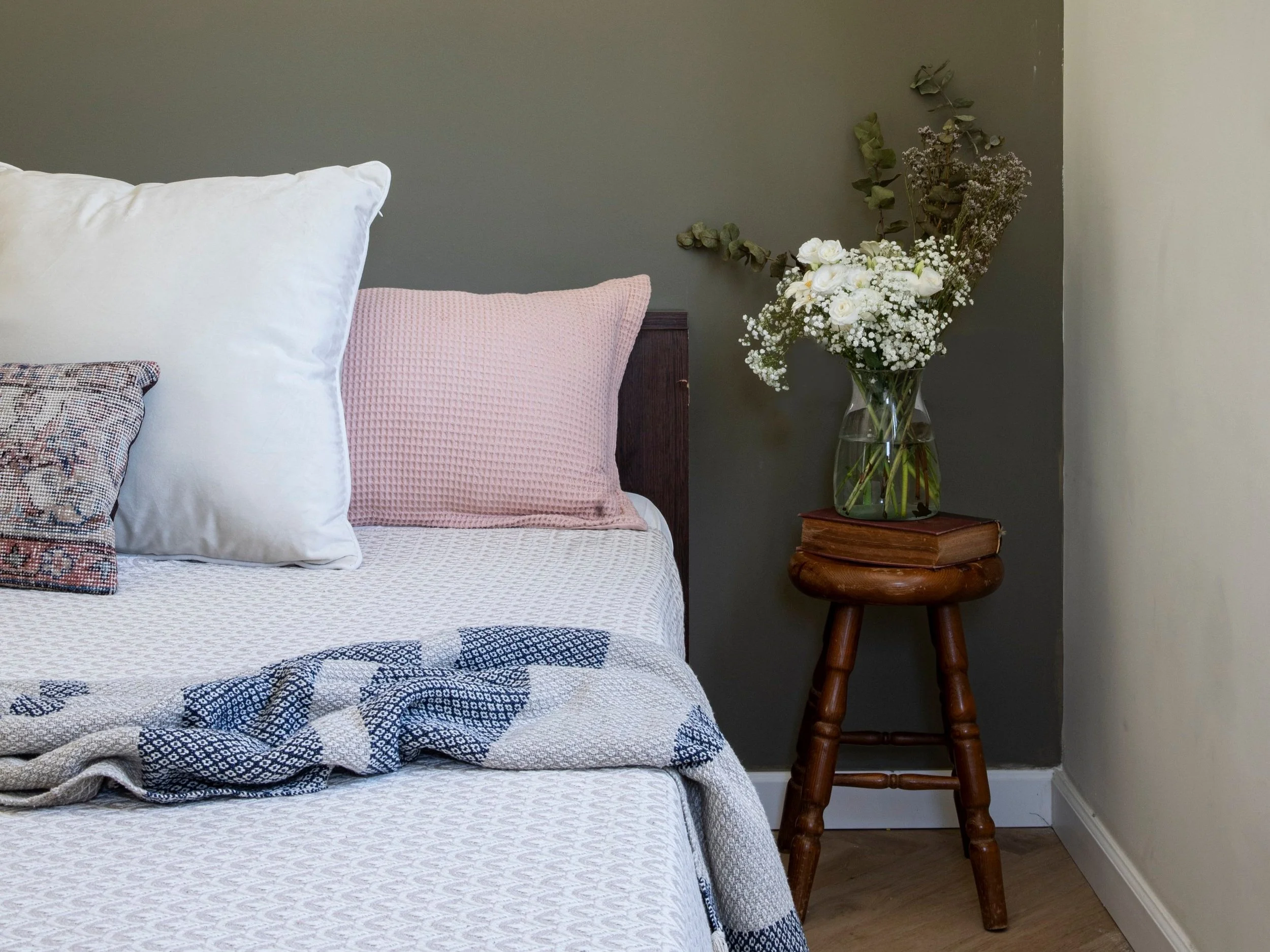
Your Nervous System Is Always Reading Your Space
Most people don’t search for “neuroaesthetics” when they’re struggling.
They search things like:
Why do I feel anxious in my own home?
Why can’t I relax even when my house is nice?
Why does clutter stress me out so much?
Why do I feel overstimulated at home?
Why do I have to tidy before I can think?
Why can’t I switch off after work?
Why does my home feel overwhelming?
These are nervous system questions - even when they don’t sound like it.
Your body constantly scans your surroundings for cues of safety or stress.
Light levels. Noise. Colour. Layout. Visual clutter. Sensory overload. Emotional associations tied to certain rooms.
This is the heart of neuroaesthetics - understanding how environments influence stress responses, anxiety, burnout recovery, emotional regulation, and mental clarity, as well as a sense of belonging, story, and peace.
Because your home isn’t just visual.
It’s somatic.
Your body feels it first.
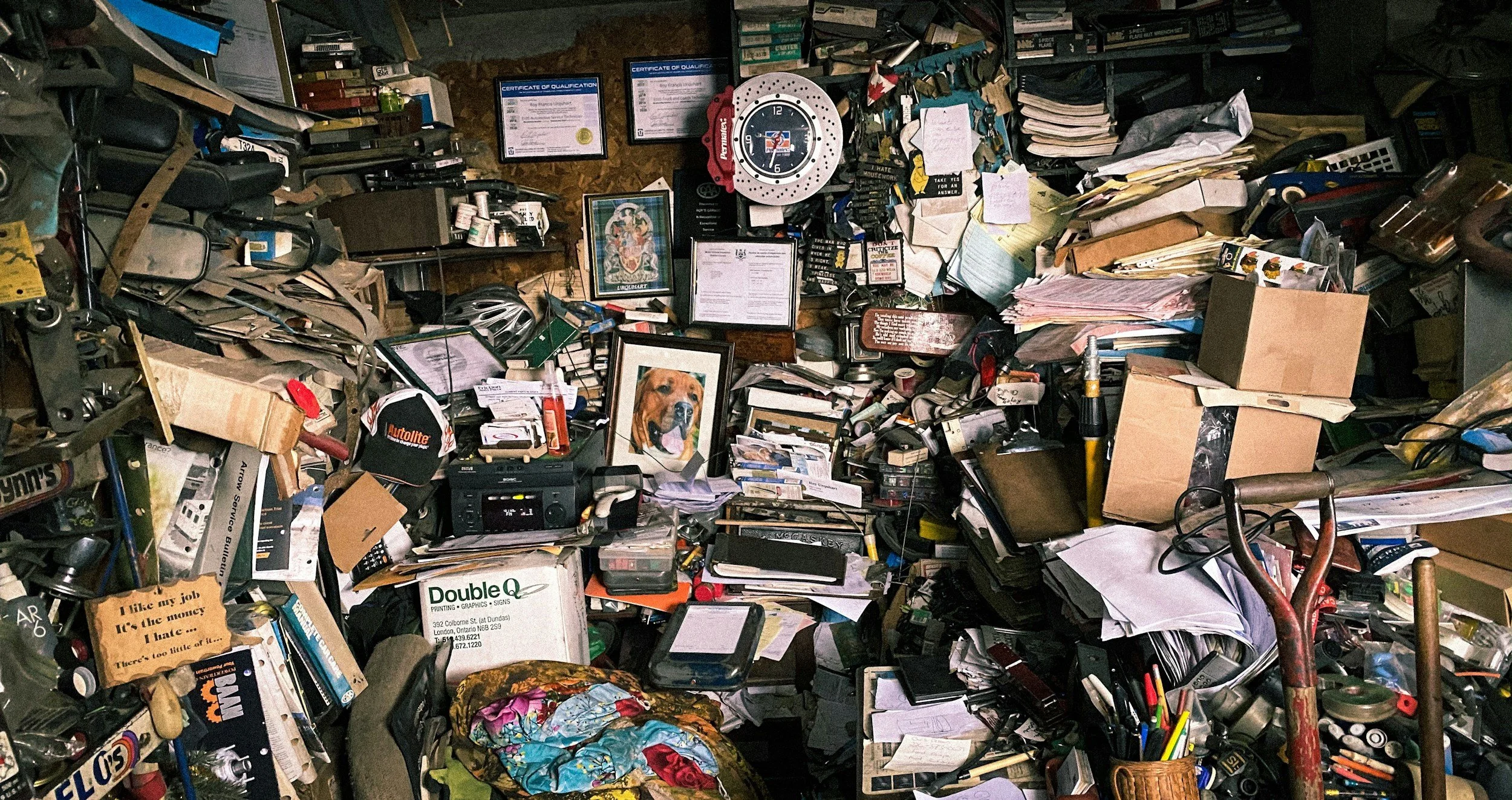
Visual Clutter Isn’t Just Annoying - It Can Dysregulate Your Nervous System
Some people can relax in visual chaos.
Many can’t - in fact, it is directly connected to chronic stress, anxiety, trauma history, sensory sensitivity, and burnout.
For me, visual mess wasn’t just irritating.
It creates a subtle but constant internal pressure.
My body feels:
tense
overstimulated
unable to settle
mentally noisy
physically restless
All I see if an endless list of jobs, unclosed loops and visual noise, which makes it very difficult to function. For years I’ve found myself spending time re-setting spaces, in order to function in them.
And I see this constantly with my clients:
Leaders, parents, business owners, high-functioning individuals who look like they’re coping - but whose nervous systems never fully downshift because their environment keeps signalling unfinished, overwhelming, or unsafe.
You might notice:
needing to clean before you can relax
feeling anxious when walking into certain rooms
difficulty cooking or working in cluttered spaces
sensory overload from colour, noise, or layout
constantly reorganising without feeling settled
exhaustion at home instead of restoration
This isn’t about aesthetics alone.
It’s about how your body is processessing your surroundings.
Trauma, Stress & Why Some Homes Feel Harder Than Others
Trauma-informed somatic work taught me something profound:
Your nervous system learns from experience - and it carries those experiences into the environments you live in.
If your body has lived through prolonged stress, unpredictability, emotional pressure, or burnout, it may stay hyper-alert even in spaces that look calm on the outside.
Your nervous system might:
scan for unfinished tasks, because it feels safer doing than being.
react strongly to visual chaos, because it sees more overwhelm, when it’s already dealing with that.
struggle with sensory overwhelm, because it’s already trying desperately to keep up with internal overwhelm.
interpret clutter as pressure or danger
stay in “do mode” instead of “rest mode”
And your environment either helps regulate that…
or quietly reinforces the stress loop.
The Shift: Designing for Regulation, Not Just Aesthetics
This is where everything changed for me.
I stopped designing purely for beauty or style - and began incorporatin nervous system safety into the design - while still acknowledging that beauty heals..
For somatic ease. For sensory calm. Not perfection - because regulation looks different for every person.
I realised that while minimalism can reduce visual overwhelm, without story or character, a home can feel clinical and disconnected. Trauma-informed design lives in the balance between calm and belonging. Between spaces that allow the body to down-regulate and rest, and spaces that hold our story, our identity, our sense of home.
The goal isn’t emptiness - it’s environments where the body can finally exhale because the space truly serves what we need.
Small changes began to matter more than big overhauls:
reducing visual overwhelm instead of chasing Pinterest perfection
creating functional layouts that feel safe to move through
using lighting that supports circadian rhythms and nervous system calm
incorporating meaningful, grounding objects that anchor identity
shaping environments that support burnout recovery and emotional regulation
And suddenly, rest stopped feeling forced — and started feeling possible.
If You Feel Overstimulated in Your Own Home…
You’re not dramatic.
You’re not failing at life.
And you’re definitely not the only one Googling “why can’t I relax at home.”
Your nervous system might simply be responding to sensory input, unresolved stress, or environmental overwhelm.
And here’s the hopeful part:
When you begin to understand the somatic relationship between your body and your environment, your home can shift from a place that drains you… into one that actively supports healing, regulation, and sustainable calm.
Not by becoming perfect.
But by becoming safe enough for your body to finally slow down.
Quick Rest Test:
Signs Your Home Might Be Dysregulating Your Nervous System
You feel instantly tense when you walk into certain rooms
You can’t cook until the kitchen is perfectly clean
Visual clutter makes you irritable or overwhelmed
You struggle to sit down and truly rest at home
Noise, lighting or layout leave you overstimulated
You constantly tidy but never feel calm
You feel more regulated outside your home than inside it
You’re exhausted - but your body won’t switch off OR feels numb and never rested
Your nervous system responds to sensory safety first - not aesthetics.