
Productivity, Anxiety & Somatics:
Why High Performers Struggle to Switch Off
There’s a version of anxiety that gets rewarded constantly.
It looks productive.
Capable.
Reliable.
Driven.
It’s the person who always gets things done.
Always pushing through.
Always “handling” the pressure.
And because it works externally, nobody questions it - including the person living it.
Sound familiar?
But eventually, a lot of high-performing people hit the same wall:
“Why can’t I relax?”
“Why do I feel anxious when I stop?”
“Why does rest not actually make me feel rested?”
“Why am I exhausted but still unable to switch off?”
And this is where productivity, burnout, nervous system regulation, and somatics all start overlapping.

Productivity and anxiety are often more connected than people realise
One of the biggest misconceptions around anxiety is that it always looks emotional.
But high-functioning anxiety often looks productive.
It looks like:
overworking
constantly staying busy
needing to stay ahead
difficulty resting
guilt when slowing down
obsessively planning or organising
always thinking about the next thing
struggling to sit still without feeling uncomfortable
For a lot of entrepreneurs, leaders, parents, and high-capacity women, productivity becomes a coping mechanism.
Not consciously, but physiologically.
Because the nervous system learns that staying productive feels safer than slowing down.
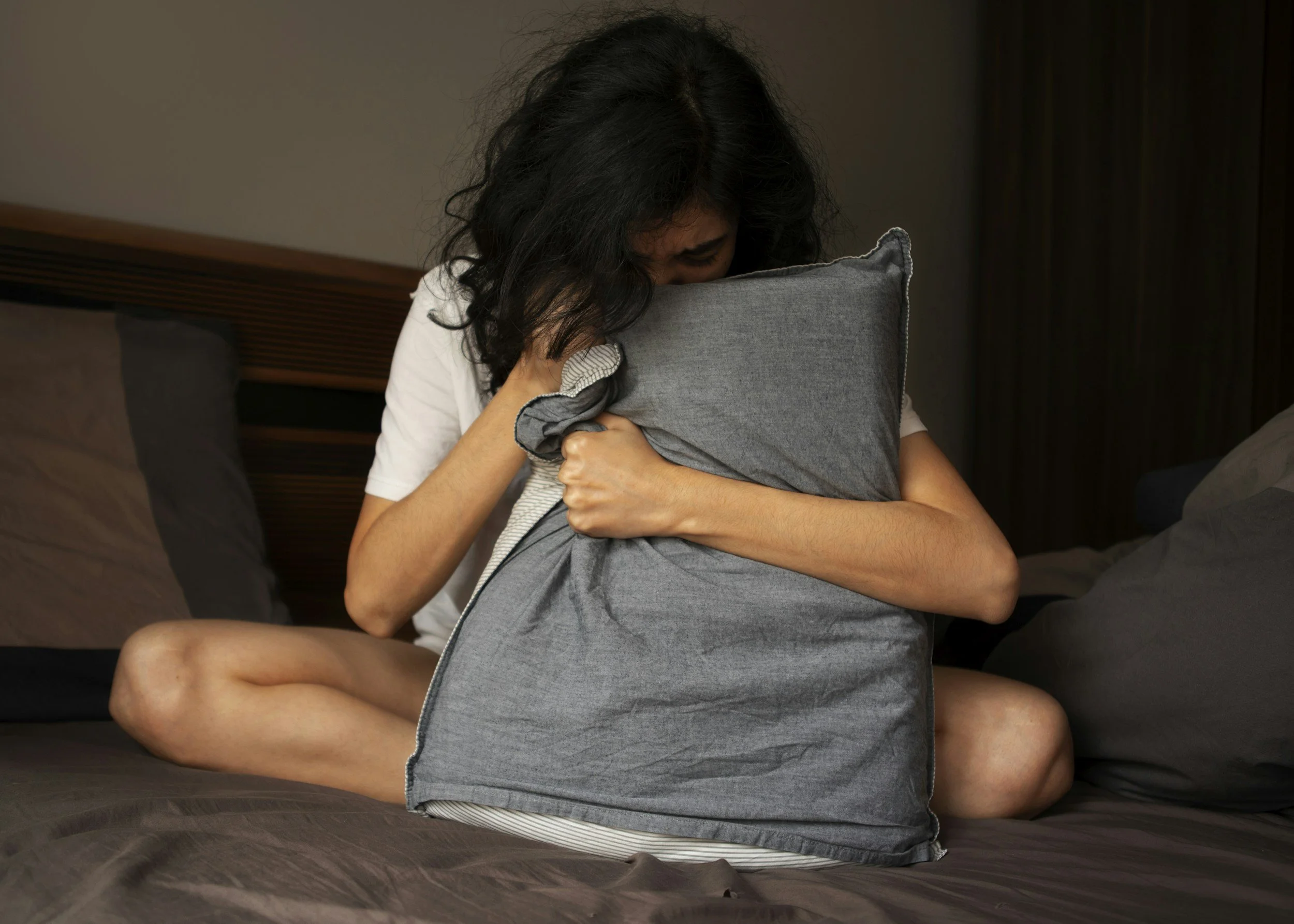
Why do some people feel anxious when they rest?
This is one of the most common questions people search for - and one of the least understood.
If you feel anxious when you stop, it does not automatically mean you’re lazy, broken, or “bad at resting.”
Often, it means your nervous system has adapted to chronic activation.
Your baseline is ‘off base’. What you’ve come to understand as ‘normal’ - is actually activated - so resting feels uncomfortable, and sometimes - unsafe.
When the body spends long periods operating in stress, urgency, hypervigilance, or pressure, that state starts to become the new ‘normal’.
Stillness, on the other hand, can start to feel unfamiliar and unsafe.
This is why some people:
feel guilty resting
become restless on holiday
feel uncomfortable in silence
immediately reach for their phone when they stop
struggle to sleep despite exhaustion
feel more anxious when they finally slow down
The body gets used to functioning in motion.
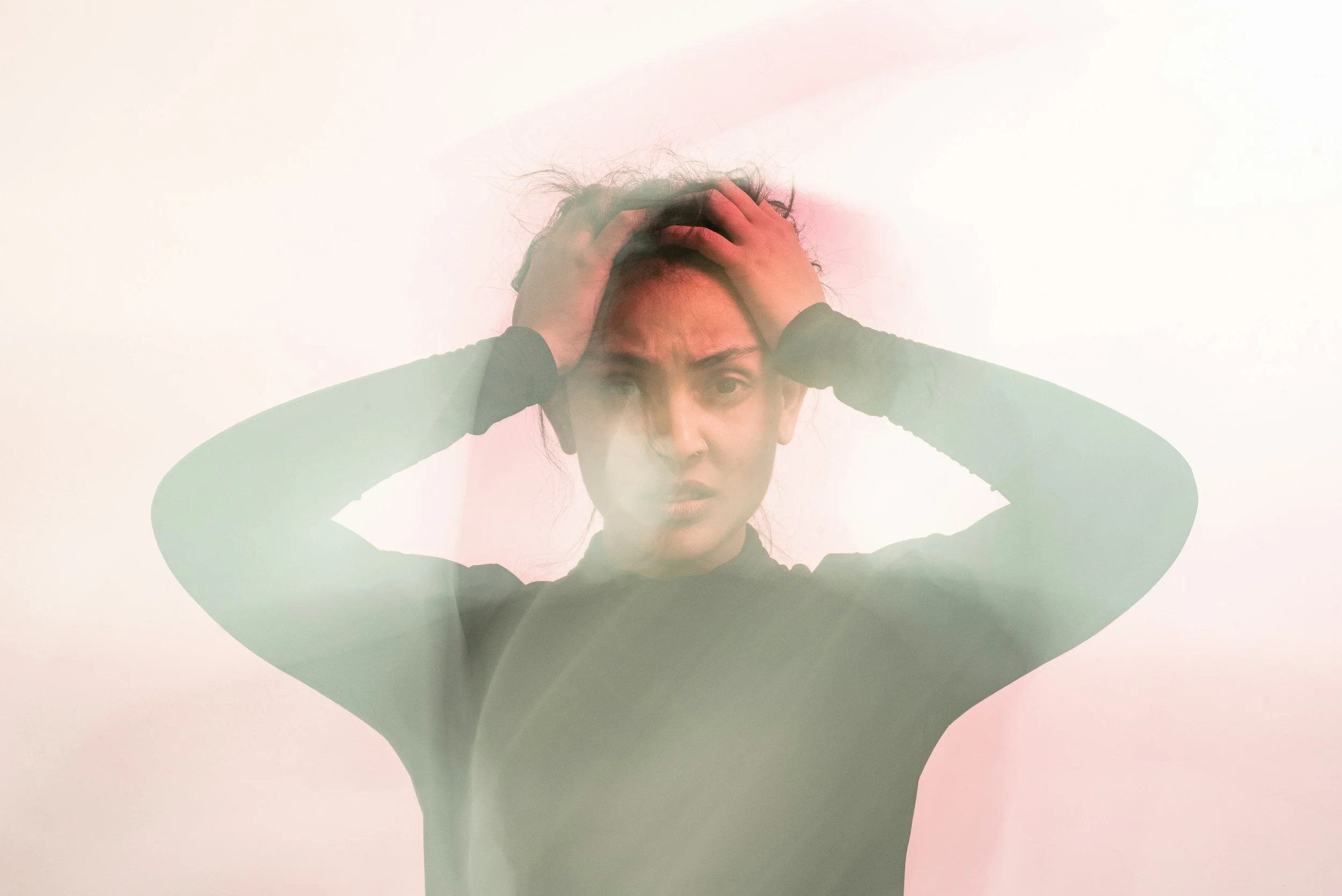
You cannot rationalise your way out of a nervous system response
This is where somatics becomes important.
Somatics is the study of how stress, trauma, emotions, and experiences are held physiologically in the body.
Because anxiety is not a thinking problem.
It is a body problem.
You can logically know:
you’re safe
you’ve done enough
you deserve rest
you don’t need to panic
…and still feel completely activated physically.
Why?
Because your nervous system responds faster than your conscious thoughts do.
This is why people often search:
how to regulate nervous system anxiety
why can’t I calm down?
why do I feel on edge all the time?
how to stop overthinking and relax?
why does my body feel anxious for no reason?
And the answer is often not more mindset work.
It’s regulation.

High-functioning people often live disconnected from their bodies
A lot of high performers live almost entirely cognitively.
They override body signals constantly:
tiredness
stress
overwhelm
tension
exhaustion
emotional load
Because productivity becomes identity.
And eventually, the body adapts around that pace.
This is where you start seeing:
burnout
panic attacks
chronic stress
emotional numbness
brain fog
sleep disruption
adrenal fatigue symptoms
autoimmune flare-ups
nervous system dysregulation
Not because someone is weak.
Because the body has been compensating for too long.

Can chronic stress affect the body physically?
(this is the part most people miss)
Absolutely!
This is another area people are increasingly searching for answers around:
can stress cause physical symptoms?
can anxiety cause inflammation?
how does burnout affect the body?
nervous system and autoimmune disease
The nervous system and immune system are deeply connected.
When the body remains in long-term stress responses, it impacts:
sleep
hormones
digestion
inflammation
energy regulation
emotional regulation
immune function
And a huge part of that conversation is cortisol.
Cortisol is not “bad.” It’s a survival hormone. It helps us respond to pressure, threat, urgency, and stress.
The problem is that many people are no longer experiencing cortisol in short bursts.
They’re living in it.
Their nervous system never fully down-regulates.
Which means the body never fully returns to baseline - Again - our baselines are ‘off base’.
This is where you start seeing people become deeply adapted to adrenaline and chronic activation - to the point where calm can actually feel uncomfortable, unfamiliar, or even unsafe.
A lot of high-functioning people don’t realise they’ve built their entire pace of life around stress hormones.
They feel most “themselves” when:
they’re busy
under pressure
solving problems
rushing
needed
constantly stimulated
And when that pace disappears, the body often struggles.
Not because rest is wrong.
Because the nervous system has forgotten how to exist without activation.
Living in chronic cortisol elevation long-term can impact:
sleep quality
digestion
immune health
inflammation
hormone regulation
emotional regulation
concentration and memory
energy production
nervous system resilience
This is why so many people feel:
exhausted but unable to stop
wired but deeply tired
emotionally reactive
constantly “on edge”
unable to fully relax even when nothing is wrong
Their body has adapted to survival mode.
This is also why burnout recovery cannot just focus on “thinking differently.”
The body has to learn safety again.
It has to experience regulation physiologically - not just understand it intellectually.

Your environment affects your nervous system more than you think
This is the piece most people miss completely.
Your environments are not neutral.
The spaces you spend time in are constantly sending signals to your nervous system.
Things like:
clutter
visual chaos
harsh lighting
noise
lack of privacy
overstimulation
working where you rest
environments that never feel calm or safe
…all impact how your body responds throughout the day.
Which means you can be trying to regulate yourself internally while your environment is keeping your nervous system activated externally.
This is why trauma-informed interior design and neuroaesthetics matter.
Not because aesthetics magically heal people.
But because the body responds physiologically to its surroundings whether we consciously realise it or not.

Why productivity culture makes burnout worse
Modern productivity culture rewards nervous system dysregulation.
People get praised for:
overworking
over-functioning
constant availability
never stopping
ignoring their needs
pushing through exhaustion
Until eventually, the body stops cooperating, and often, by the time someone starts looking up:
burnout recovery coach UK
somatic coach online
nervous system healing
how to recover from burnout naturally
…their system has already been carrying too much for years.

So what actually helps?
Not another productivity hack.
Not becoming more disciplined.
Not learning how to tolerate stress better.
What helps is learning:
how your nervous system actually functions
how to regulate anxiety physiologically
how stress is showing up in the body
how your environment is affecting your system
how to stop living in chronic activation
how to create a life that feels sustainable instead of constantly overwhelming
This is the work.
Not becoming less ambitious.
Learning how to succeed without your body paying the price for it.

This is the foundation of Rooted & Rested™
Inside Rooted & Rested™, we work at the intersection of:
nervous system regulation
somatics
burnout recovery
trauma-informed coaching
and the environments shaping how you feel every day
Because mental health and physical health were never supposed to be separated.
You are not just a mind carrying thoughts around.
You are a whole system.
And sustainable wellbeing has to support all of it.