
Why You Can’t Relax
(Even When You’re Doing Things You Enjoy)
You finally stop.
You sit down.
Pick up a book.
Go for a walk.
Try to do something you used to enjoy.
And instead of feeling relaxed…
your mind keeps going.
Your body feels restless.
You reach for your phone.
You can’t quite settle.
And you’re left thinking:
“Why can’t I just switch off?”

It’s not that you don’t know how to relax…
Most people assume this is a mindset problem.
That they need more discipline.
Better boundaries.
More “self-care.”
But this isn’t about willpower.
It’s about your nervous system.

Your body doesn’t switch off just because you stop
If your system has been under constant pressure - deadlines, responsibility, emotional load - it adapts.
It learns to stay:
alert
ready
slightly “on”
So when you suddenly stop…
your body doesn’t automatically feel safe.
It feels unfamiliar.
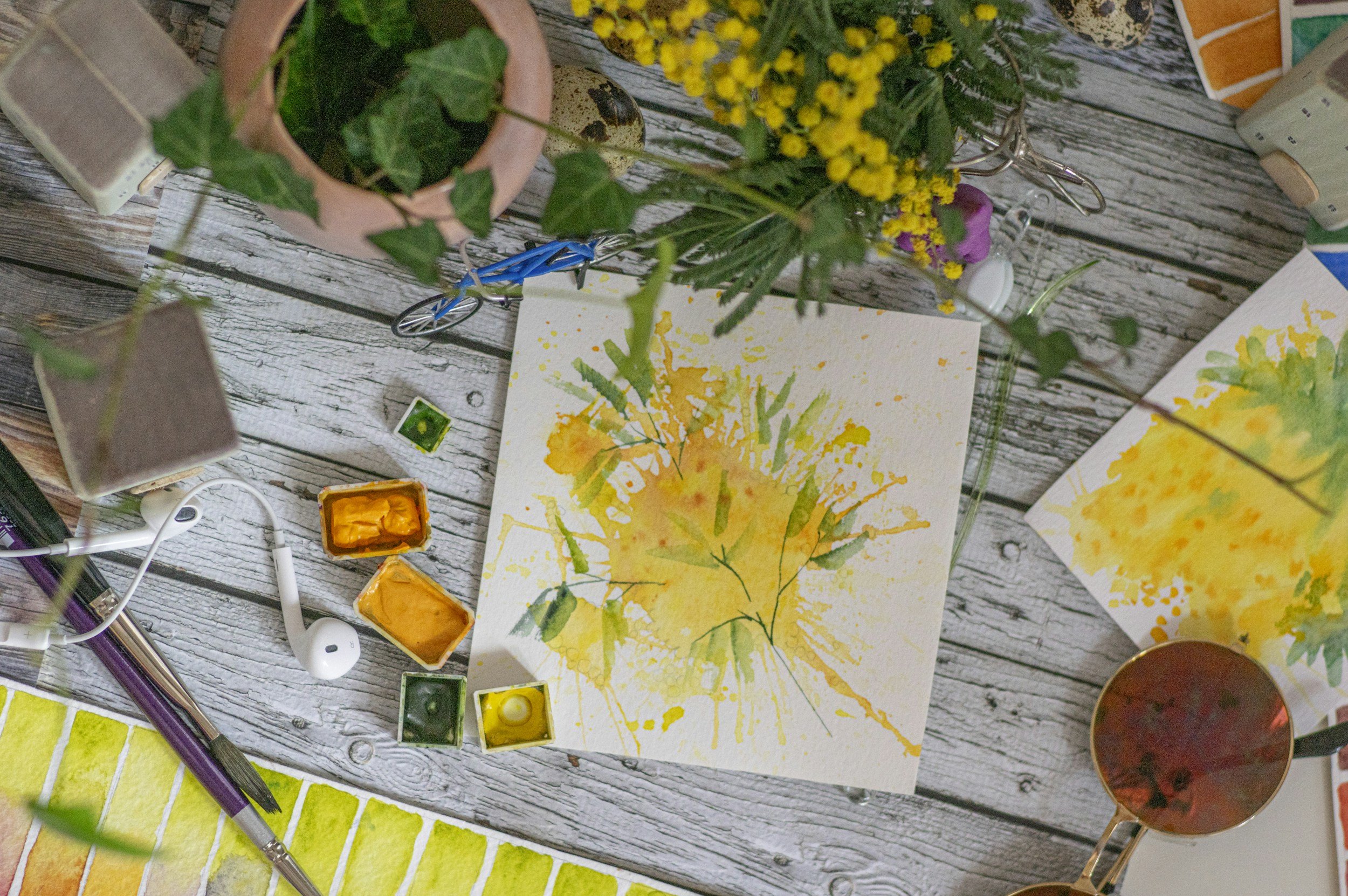
Why hobbies don’t always work
This is where a lot of people get stuck.
They try to relax by doing something enjoyable.
But enjoyment and regulation are not the same thing!
If your system is still activated, even something “fun” can feel:
restless
distracting
hard to focus on
Because your body hasn’t shifted state yet.

Regulation comes before relaxation
Relaxation isn’t something you force.
It’s something your system allows.
And for that to happen, your body needs to feel:
safe enough to slow down
This is where grounding comes in.

What actually helps you switch off
Not big, complicated routines.
But small, physical signals that tell your body:
you’re not under pressure right now
Things like:
slowing your exhale (longer out-breath than in)
placing your feet firmly on the ground and feeling your weight
stepping outside and letting your eyes take in your surroundings
shaking out your arms and shoulders to release tension
putting one hand on your chest or stomach and breathing slowly
These aren’t “wellness trends.”
They’re ways of helping your body shift state.
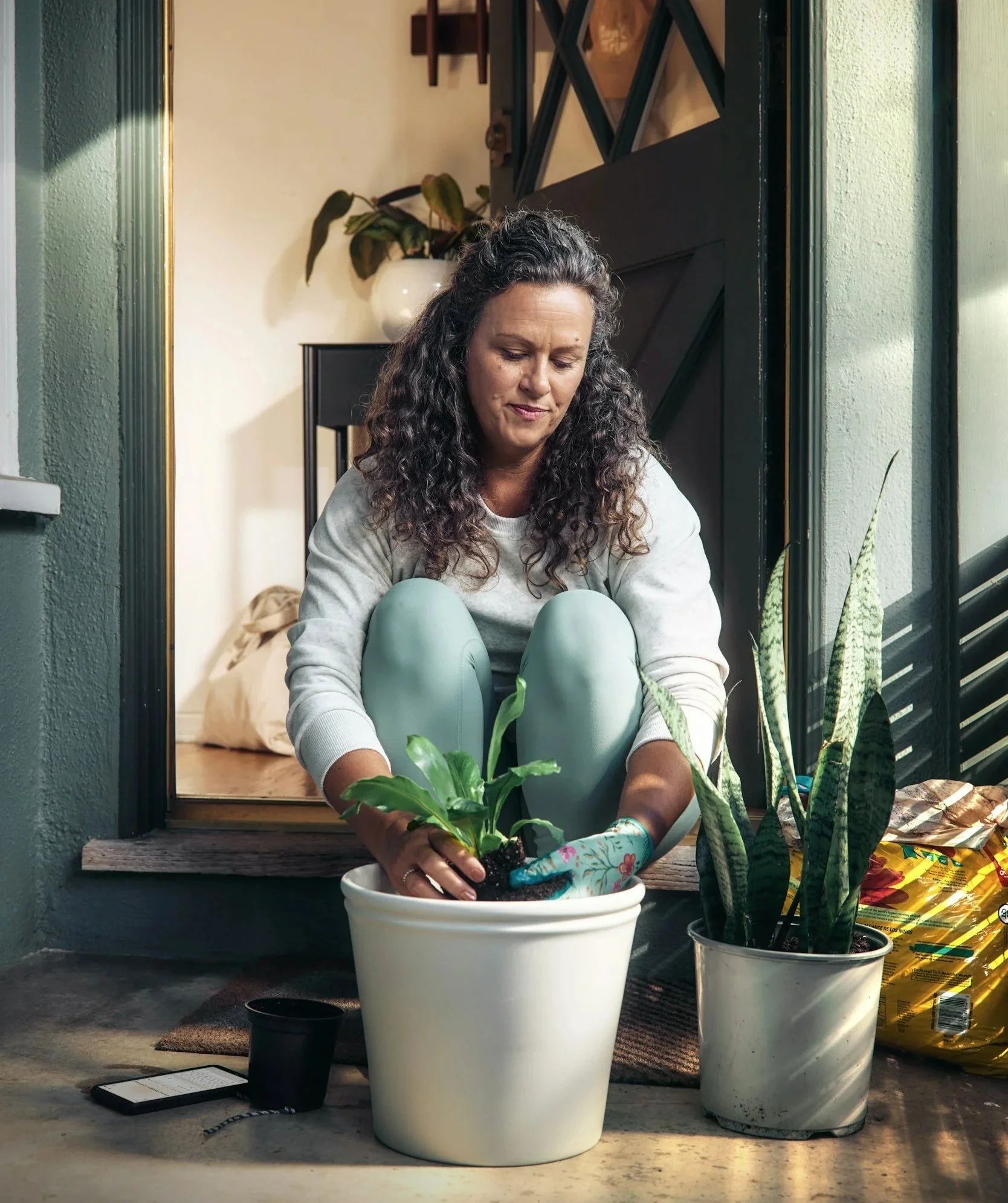
Your environment matters more than you think
This is the piece most people miss.
If your environment is:
cluttered
noisy
visually overwhelming
associated with work or stress
your system will stay slightly activated.
Even if you’re trying to relax.
Small shifts can make a difference:
softer lighting
clearing one surface
putting work ‘away’ and out of sight
reducing background noise
creating spaces that aren’t linked to work
Your body responds to what’s around you - not just what you’re doing.

The real shift
Instead of asking:
“Why can’t I relax?
Try asking:
“What does my body need to feel safe enough to slow down?”
That’s where change starts.
Take a moment to notice:
• When I try to relax, what actually happens in my body?
• Do I feel restless, distracted, or tense?
• What small physical shift could I make right now?
• How might my environment be affecting my ability to switch off?

Self-Reflection
Take a moment to notice:
• When I try to relax, what actually happens in my body?
• Do I feel restless, distracted, or tense?
• What small physical shift could I make right now?
• How might my environment be affecting my ability to switch off?
How to help your body actually relax
(in real life)
5 tips for helping you achieve the safety, so your body will relax!
If your body doesn’t feel safe, it won’t switch off - no matter how much you try to rest.
So instead of forcing relaxation…
we start by giving the body signals of safety.
Not all at once.
Not perfectly.
Just consistently.
1. Slow things down physically (not mentally)
You don’t need to “think calm.”
You need to move your body into a slower rhythm.
Try:
walking slightly slower than usual
deliberately slowing your movements (even making a cup of tea)
lengthening your exhale when you breathe
Your body follows pace.
When you slow the body, the system follows.
2. Reduce input before you try to relax
Many people try to relax while still:
scrolling
watching
listening
multitasking
Your system is still processing.
Instead, create a few minutes of less input:
no phone
no background noise
no stimulation
Even 5 minutes can help your system begin to settle.
3. Give your body something to feel
Safety isn’t just mental — it’s physical.
Let your body register something real:
feet pressing into the ground
your back supported by a chair
a blanket around you
your hand resting on your chest or stomach
These signals bring you back into the present moment.
4. Use your environment to support you
Instead of trying to override your state…
adjust what’s around you.
Ask:
“What would make this space feel even slightly calmer?”
It might be:
dimmer lighting
a clearer surface
sitting somewhere different
opening a window
stepping outside
Your environment is constantly communicating with your body.
5. Let relaxation be gradual
This is where most people get frustrated.
They expect to go from:
tense → calm
But the body often moves through:
tense → slightly less tense → neutral → calm
So instead of asking:
“Do I feel relaxed yet?”
Ask:
“Do I feel even 5% more settled?”
That’s progress.
The shift to focus on:
You don’t need to force yourself to relax.
You need to help your body feel:
safe enough to stop holding everything up
And that happens through small, consistent signals - not big, perfect routines.